The future of service business automation: Why it’s time to automate
Manual processes like paper-based invoicing and spreadsheet tracking still burden many service businesses – but automation is rapidly changing the game. Modern automation tools like Alunta let service businesses put invoicing and bookkeeping on autopilot – saving time, reducing errors, and ensuring nothing slips through the cracks. The result is more time to focus on customers and growth. Grab a cup of coffee and read along my view on billing automation.

A new era for service businesses
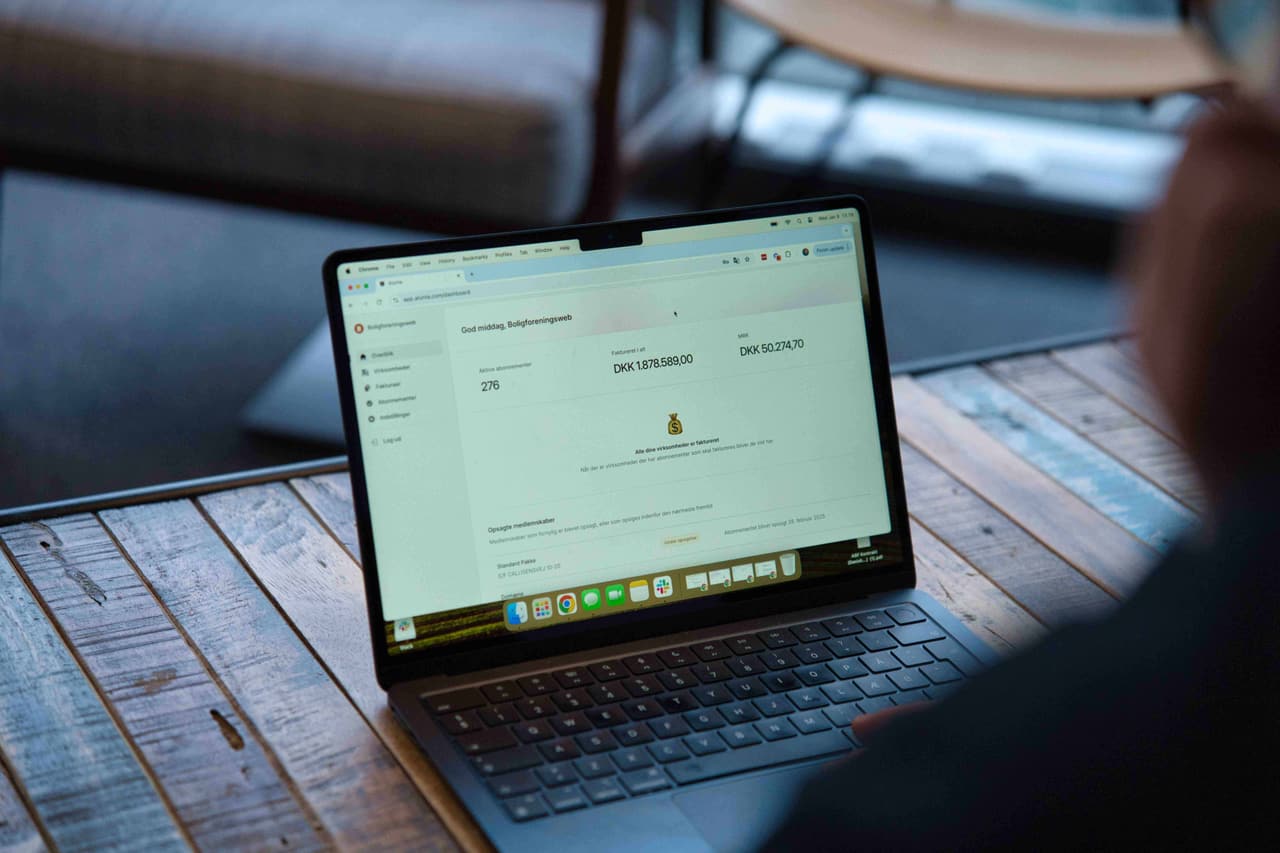
Imagine it’s the first of the month at a growing service company. The team scrambles to generate dozens of invoices, track subscription renewals, and update the books – all by hand. Papers pile up, spreadsheets get complicated, and human errors creep in.
That was the reality at Alunta and is the reality at many companies today.
But just as factories transformed by automating assembly lines, service businesses are now transforming through automation. Routine tasks that once took hours are handled in seconds by software, freeing teams to focus on customers and growth. The subscription economy – businesses built on recurring payments and services – has exploded by 435% in the past decade, projected to reach a $1.5 trillion market by 2025. This surge in subscriptions underscores why companies must re-think how they manage billing and administration. In this deep-dive, we’ll explore how automation is revolutionizing service businesses, from automatic invoicing to streamlined bookkeeping, and why embracing these tools now is crucial for efficient subscription management.
From frustration to freedom: A story of automation’s impact

Why it’s time to automate: Data-driven benefits
- Significant cost savings: Manual invoicing is expensive. Between staff time, printing, mailing, and correcting errors, the average cost to process a single invoice manually hovers above $10 – and can reach $30 to $40 per invoice. That’s money drained on routine admin work. Automation can dramatically slash these costs by cutting labor and paper out of the equation. In accounts payable departments, studies have found that automation can cut processing costs by 42% while also speeding up cycle times. For a service business sending out hundreds of invoices a month, those savings add up quickly. Every dollar not spent on admin overhead is one that stays in your pocket (or can be invested into serving customers better).
- Time savings and efficiency: Time is money, and automation saves a lot of time. Finance teams still waste countless hours on manual tasks. In one survey, 76% of finance executives said manual processes absorb too much of their team’s time. Think about your own business – how many hours are spent each week chasing invoice details, updating ledgers, or managing subscriptions in Excel? Automation can give most of that time back. A well-known study by PayStream Advisors found companies using automated invoice processing increased staff productivity by 33%. Tasks that took days are done in minutes. For instance, a logistics company in one case study reduced its invoicing work from 8 hours to just 30 minutes a day after automating – an over 90% reduction in time spent. Those saved hours can be redirected to higher-value activities like sales, service improvement, or strategy. As one automation software user put it, their team was freed from tedious work and could “focus on more critical work” that drives the business forward.
- Fewer errors, better accuracy: Human errors in billing or bookkeeping can be costly – a typo or missed entry might mean lost revenue or upset customers. By removing manual data entry, automation greatly improves accuracy. Software doesn’t get tired or forget to carry the one; it reliably applies the rules every time. Automated invoicing ensures every subscription is billed for the correct amount at the correct time, whereas manual invoicing might miss a cycle or apply outdated pricing. As a result, businesses that automate see a reduction in billing mistakes and discrepancies. One finance chief noted that by automating areas like expenses and payments, companies “minimize their error rate” and reduce the need for manual fixes down the road . The payoff is not just fewer embarrassing mistakes, but also cleaner books and more trust between you and your customers.
- Improved cash flow & on-time payments: Efficient, automated billing has a direct positive impact on cash flow. When invoices go out on time (or charges occur automatically on schedule), you get paid faster. Automation can be set to send gentle payment reminders or retry failed payments without you lifting a finger. This means no more forgotten invoices or delayed billing cycles that can choke cash flow. Moreover, an automated system can flag late payments instantly, helping you stay on top of receivables. Some businesses even tie their automated invoicing to late fee rules or early payment discounts, improving their overall payment timeliness. The result is a steadier, more predictable revenue stream – the lifeblood of any service company.
- Scalability for growth: Manual processes might be manageable with a dozen clients, but what about 100 or 1,000? Automation enables your business to scale up without scaling out your administrative team. With recurring billing software, adding a new customer is as simple as a few clicks to set their plan and schedule – whether you have ten subscriptions or ten thousand, the system handles it. Companies adopting automation often find they can grow their customer base significantly without hiring extra back-office staff, effectively doing more with the same resources. This scalability is crucial for growing service businesses and SaaS companies. It allows you to seize new opportunities (e.g., launch a new service plan or expand to new markets) without worrying that your billing system will implode. In fact, many finance leaders are investing in automation specifically because they’re expected to “do more with less” in today’s environment. Automation is the lever that makes that possible.
- Competitive advantage: Finally, adopting automation can be a competitive differentiator. It not only cuts costs and improves internal efficiency, but also leads to a better customer experience. Clients receive timely, accurate invoices and professional service. Your company appears tech-savvy and reliable. Meanwhile, competitors clinging to manual methods may struggle with visible errors or delays. It’s no surprise that nearly 70% of finance teams are already using or implementing digital automation technologies to boost efficiency. Service businesses that modernize now position themselves ahead of the curve, while those that delay risk falling behind in both productivity and customer satisfaction.

Key areas to automate in a service business
Automation can sound abstract, so it’s helpful to pinpoint exactly which processes in a service business are ripe for automation. Here are the core areas where the impact is greatest:
- Recurring invoicing and billing: If your business sends out regular invoices – monthly retainers, subscription fees, maintenance contracts, membership dues, etc. – this is priority #1. Automating recurring invoices means setting up a schedule once and letting the system handle it thereafter. You can generate invoices automatically on preset dates, populate all the line items and taxes accurately, and even automate the delivery (via email or a client portal). This ensures every invoice goes out like clockwork. It reduces days of work to a few minutes of oversight. Businesses have reported dramatically faster invoice cycles and fewer billing disputes once they switched to automated invoicing. It’s not hard to see why – software doesn’t forget to bill a client or accidentally double-bill them, whereas humans might. By embracing automated invoicing, you stabilize your billing process and make it far more efficient.
- Subscription management: Many service companies today operate on recurring subscriptions or service contracts. Managing these manually – tracking start/end dates, renewals, upgrades, cancellations, and proration – can be a nightmare. A good subscription management system automates the entire lifecycle of a subscription. It will auto-renew contracts, send out renewal notices or invoices, handle mid-term changes (like if a customer upgrades their plan mid-month, it can prorate the charge automatically), and update the billing amounts accordingly. This ensures no revenue leakage (every renewal is captured) and provides a smooth experience for the customer. They can sign up once and know their service continues uninterrupted as long as they’re subscribed. Internally, your team won’t need a wall calendar covered in renewal dates – the system’s got it. Subscription automation is especially critical given the explosive growth of the subscription economy. Whether you run a SaaS software firm, a marketing agency on retainer, or even a utilities service, automating subscription management is key to scaling recurring revenue reliably.
- Bookkeeping and accounting integration: Invoicing and payments don’t happen in a vacuum – all that data needs to end up in your accounting books. This is where automated bookkeeping features matter. Rather than manually reconciling invoices with bank statements or hand-entering each transaction into an accounting system, modern tools can sync the data for you. For example, when an invoice is paid through an automated system, it can automatically mark the invoice as paid, record the payment in your accounting ledger, and even assign it to the correct revenue account. If your automation tool connects with your accounting software (or has built-in accounting features), you essentially get real-time financial records without extra work. This not only saves time (accountants spend up to 30% of their day on data entry tasks that could be automated), but also improves accuracy in financial reporting. Automated bookkeeping means your P&L and balance sheet are always up to date with minimal human intervention. Come tax season or auditing, you’ll have well-organized digital records instead of shoeboxes of receipts. In short, integrating invoicing automation with accounting leads to truly effective administration of your finances – everything in order and nothing falling through the cracks.
- Payment collection and follow-ups: Chasing payments can be awkward and time-consuming. Automation can help here too. Features like automatic payment processing (charging clients’ credit cards or direct debits for recurring fees) can ensure you get paid on time without needing to hound the customer. If a payment fails or an invoice goes overdue, the system can send polite reminder emails at set intervals. Some advanced setups even trigger a notification to your team for accounts that go X days past due, so you know when to intervene. By automating the routine follow-up, you maintain healthy cash flow and reduce manual collections effort. Clients also appreciate consistent, gentle reminders over a surprise human phone call. And when payment does come in, the system immediately reconciles it. This whole process, from invoice to payment to accounting entry, can be hands-free. Businesses leveraging these capabilities have seen on-time payment rates improve and DSO (days sales outstanding) decrease – meaning they get their cash faster, which is vital for operations.
By focusing on automating these key areas, a service business can essentially put much of its back-office on autopilot. The day-to-day administrative grind is greatly reduced. Instead of staff spending hours on billing cycles or data entry, they supervise the automated workflows and handle only exceptions or strategic analysis. It’s the future of work in this space: a small team empowered by smart software to manage a large, growing business efficiently.
Overcoming hesitation: flexibility and simplicity in modern tools
Conclusion: Embrace the future – it’s time to automate

Sources
Sources are linked in the statements that are made in the text. However, here’s a short breakdown of the sources used for this post. Data and statistics referenced above were obtained from industry research and case studies, including a PayStream Advisors study on invoice automation, cost analyses of manual vs automated invoicing, finance executive surveys on automation adoption, and real-world automation success stories from businesses and platforms like Alunta.