How a Subscription System Works: A Guide to Growth
Many systems claim to solve the problem of subscription management. However, choosing the right system is crucial. It must be flexible and allow you to make the necessary adjustments to fit your business operations.

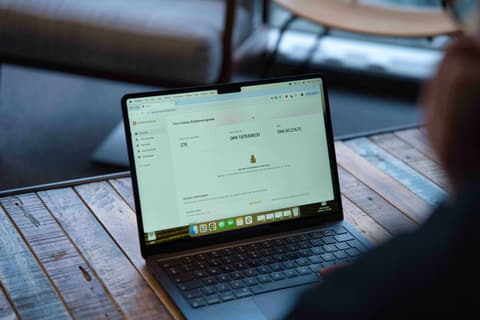
What is a Subscription System?
A subscription system brings together customer agreements, prices, renewals and recurring invoices. You can automate invoicing or review invoices before sending. Payment follows the connected payment method, and you can track status and follow up where needed.
However, this requires you to choose a subscription system that allows for this flexible approach.
How is a Subscription System Different from Regular Invoicing?
- Automation: Recurring invoices are prepared from the subscription’s agreed price and billing period, automatically or with a review before sending.
- Customizable Subscriptions: Customers can choose between different pricing plans and payment intervals.
- Renewals and Reminders: Renewals follow the agreement. With supported payment methods and settings, you can automate collection and follow up on unpaid invoices.
Learn here how Alunta automatically creates and sends invoices.
Examples of Industries Using Subscription Systems:
- Fitness Centers: Monthly memberships with automatic renewals. (Larger fitness chains likely have custom-built systems.)
- Cleaning Companies: Regular contracts for office and residential cleaning.
- Software Companies: SaaS solutions with monthly or annual licensing fees.
- Catering Services: Weekly or monthly meal plans for businesses.
The number of industries utilizing recurring contracts and payments is growing, as this is an effective way to sustain business growth. The reason is simple: acquiring new customers is often more expensive than selling recurring services to existing ones.

Key Features of a Subscription System
Now that we’ve covered what a subscription system is, let's explore what to look for when choosing one. There are many solutions out there! Here are the essential features you should consider:
1. Automated Invoicing and Payments
A good subscription system lets you choose when recurring invoices are created and sent. A connected provider can collect payment when the method and setup support it. Follow payment status and check payments that need attention.
2. Integration with Accounting Systems
To avoid double work, a subscription system should integrate with accounting software. A configured connection can transfer invoices and payment information, reducing duplicate entry. Check which data it supports and how your team follows up on errors. This can be done through a no-code tool like Zapier or an open API.
3. Flexible Pricing Plans and Subscription Types
A subscription system should support:
- Multiple pricing tiers (e.g., basic, premium, enterprise).
- Different payment intervals (monthly, quarterly, annually).
- Agreed discounts for loyal customers.
4. Financial Overview
A subscription system provides insights into key metrics such as:
- Monthly Recurring Revenue (MRR) – your recurring monthly revenue.
- Churn rate – the percentage of customers canceling their subscriptions.
- Customer Lifetime Value (LTV) – the total revenue a typical customer generates.
Read more about the KPIs Alunta provides and how they benefit your business here. Check out my take on which KPIs are worth focusing on here.

Benefits of Using a Subscription System
Businesses that implement a subscription system typically experience the following advantages:
1. A Clearer Basis for Financial Planning
Recurring agreements make it easier to see what is scheduled for invoicing. Follow your churn rate and actual payments too, so the overview reflects renewals and cancellations.
2. Time Savings and Efficient Administration
Automating invoicing and payment management frees up time that you can use to grow your business.
3. A Clearer Customer Experience
Clear agreements, understandable invoices and straightforward payments make the relationship easier to manage. Give customers a place to find invoices and payment details, with fewer practical questions for your team.

How a Subscription System Helps Scale Your Business
A subscription system can reduce repetitive billing work as your customer base grows. Reuse pricing and renewal rules across agreements while your team follows status and handles exceptions.
Example:
A craftsman offering annual service agreements can set up a subscription system so that all his customers automatically receive an invoice once a year. This saves repeated invoice creation. Payment status shows which customers may still need a follow-up.

How Alunta Supports Your Subscription Business
Alunta is designed for businesses looking for simplicity and efficiency in managing their subscriptions.
Benefits of Alunta:
- Automated Invoicing – Set subscription prices and periods, then choose automatic invoicing or a review before sending.
- Integration with accounting – Transfer invoices and payment information according to the configured connection, and follow posting status.
- Flexibility – Customize subscriptions, prices, and renewal periods to fit your needs.
- Financial Insights – Get real-time data on your subscription business.

FAQ – Frequently Asked Questions About Subscription Systems
1. What is the difference between a subscription system and regular invoicing?
A subscription system connects the customer agreement, billing periods and renewals. Ordinary invoicing can also be automated, but may not manage the full subscription lifecycle.
2. Can small businesses use subscription systems?
Yes. Small businesses can keep recurring agreements together and reduce repeated billing work. Start with a setup that fits your customer count, pricing models and payment methods.
3. How does Alunta help businesses grow?
Alunta can automate recurring invoices and connect them with payments and accounting, helping teams spend less time on repeated tasks and more time on customers.
4. How does a subscription system handle cancellations?
The system records the cancellation and effective end date under the agreement’s terms. Cancelling today does not necessarily end access or billing today. Check the end date and any final invoice.
5. How much does Alunta cost?
Alunta Free is free for up to 10 customers and DKK 10,000 in monthly recurring revenue (MRR). Your plan must cover both limits. See current plans on the homepage; apps and payment providers may charge separately.
Ready to Optimize Your Business with a Subscription System?
A subscription system can keep recurring agreements together and reduce repetitive administration. With Alunta, you can automate repetitive tasks and gain better financial insights.
Try Alunta for free with one of your own customer agreements. Follow the renewal, invoice and payment, and find the plan that fits your business.